
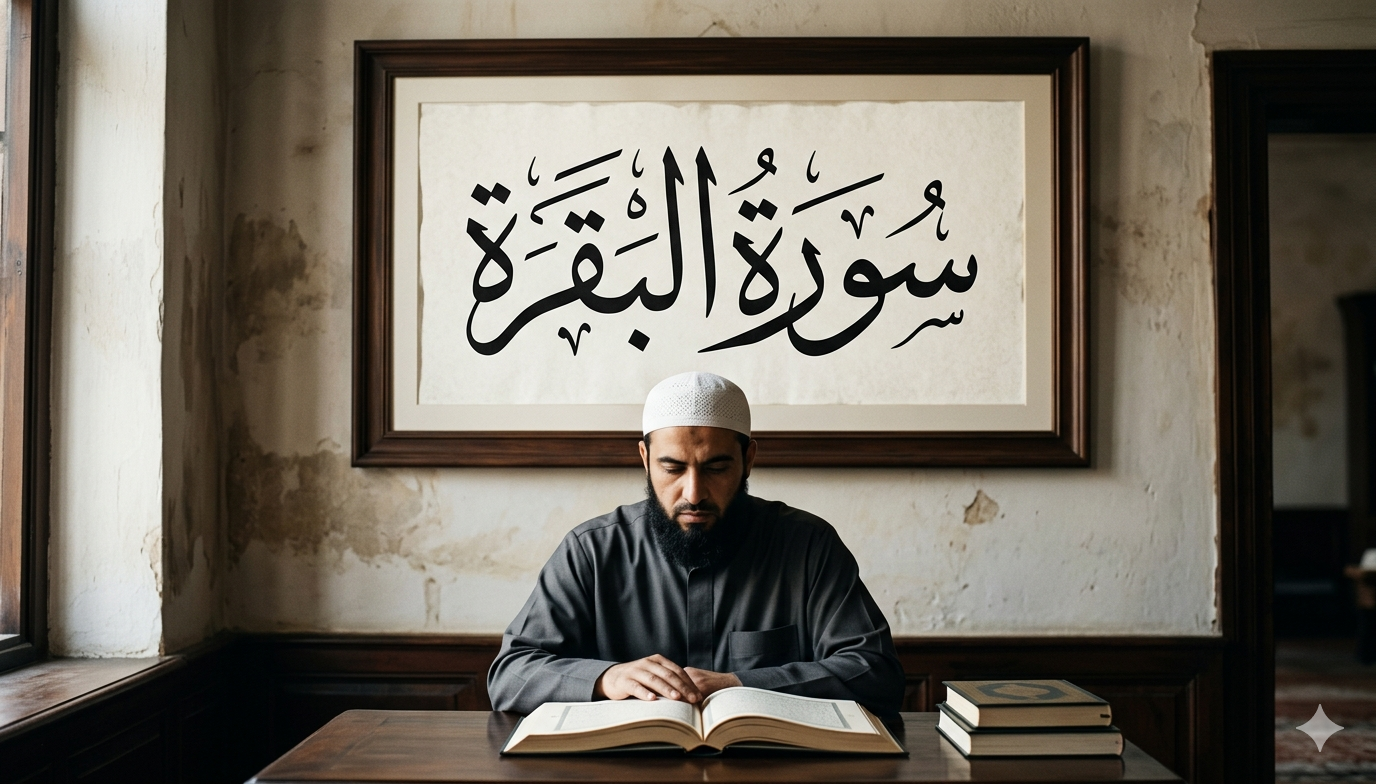
The last two ayats of Surah Baqarah hold a special place in the hearts of Muslims around the world. These verses are not only powerful in meaning but also carry immense spiritual rewards and protection. Known for their deep message of faith, mercy, and reliance on Allah, they are often recited daily for guidance and peace. In this article, we will explore the meaning, background, virtues, and practical benefits of the last two ayats of Surah Baqarah in a simple and clear way.
Overview of Surah Baqarah
Surah Baqarah is the longest chapter of the Quran, consisting of 286 verses. It was revealed in Madinah and covers many aspects of life, including faith, law, guidance, and morality. Surah Baqarah last two ayats, which are verses 285 and 286, serve as a beautiful conclusion to this powerful surah. They summarize the essence of belief and highlight Allah’s mercy and compassion towards His believers.
The Last Two Ayats in Arabic and Translation
These two ayats are often memorized and recited by Muslims because of their importance.
Ayah 285 translation:
The Messenger has believed in what was revealed to him from his Lord, and so have the believers. All of them have believed in Allah, His angels, His books, and His messengers, saying, “We make no distinction between any of His messengers.” And they say, “We hear and we obey. Grant us Your forgiveness, our Lord. To You is the final return.”
Ayah 286 translation:
Allah does not burden a soul beyond what it can bear. It will have the reward of what it has earned, and it will suffer the consequence of what it has earned. “Our Lord, do not hold us accountable if we forget or make a mistake. Our Lord, do not place on us a burden like that which You placed on those before us. Our Lord, do not burden us with what we cannot bear. Pardon us, forgive us, and have mercy on us. You are our Protector, so grant us victory over the disbelieving people.”
Meaning and Explanation of Ayah 285
This ayah emphasizes the belief of the Prophet Muhammad and all believers. It shows unity in faith, where every Muslim believes in Allah, His angels, His revealed books, and His messengers without rejecting any of them.
The phrase “We hear and we obey” reflects the attitude every believer should have. It means accepting Allah’s commands fully, without doubt or hesitation. This ayah teaches submission, trust, and obedience to Allah.
It also highlights seeking forgiveness, reminding believers that no matter how strong their faith is, they should always turn to Allah for mercy and forgiveness.
Meaning and Explanation of Ayah 286
This ayah brings comfort and hope. It clearly states that Allah does not burden anyone beyond their ability. This is a powerful message, especially during difficult times. It reminds us that every challenge we face is within our capacity to handle.
The ayah also includes a beautiful dua where believers ask Allah for forgiveness, mercy, and ease. It covers different situations such as forgetting, making mistakes, or facing hardships.
This verse shows Allah’s kindness and understanding. It assures believers that Allah knows their limits and will not impose anything unfair upon them.
Historical Background of the Last Two Ayats
These two ayats were revealed as a gift to the Prophet Muhammad during the night of Isra and Mi’raj. Unlike many other verses revealed on earth, these ayats were given directly to the Prophet in the heavens. This makes them even more special and significant.
According to authentic narrations, these verses were given along with the command of five daily prayers, showing their importance in a Muslim’s life.
Virtues of Reciting the Last Two Ayats
The last two ayats of Surah Baqarah come with many benefits and virtues.
One of the most well-known virtues is that whoever recites them at night, they will be sufficient for them. This means they provide protection, peace, and reward.
They are also a source of spiritual strength. Reciting them regularly helps increase faith and brings a sense of calmness to the heart.
These ayats are also believed to protect from harm, including evil influences. Many people recite them before sleeping for safety and comfort.
Spiritual Lessons from the Last Two Ayats
These verses teach many important lessons for everyday life.
They remind us to have complete faith in Allah and accept all His commands.
They encourage us to always seek forgiveness, no matter how small or big our mistakes are.
They teach us that life’s difficulties are within our ability to handle, and we should remain patient and hopeful.
They show the importance of making dua and turning to Allah in every situation.
Importance in Daily Life
Incorporating these ayats into daily life can bring many positive changes.
Reciting them before sleeping can help reduce stress and anxiety. They create a feeling of protection and peace.
They also help strengthen one’s relationship with Allah. By understanding their meaning, a person becomes more mindful of their actions and faith.
These ayats serve as a reminder that Allah is always there to support and guide us.
Connection with Faith and Trust in Allah
The last two ayats strongly emphasize trust in Allah. They remind believers that Allah knows everything about them, including their struggles and intentions.
This builds a strong sense of reliance on Allah. It helps people face challenges with confidence, knowing that they are not alone.
Faith becomes stronger when a person truly believes that Allah will not burden them beyond their capacity.
Benefits for Mental and Emotional Peace
In today’s fast-paced life, many people deal with stress and worry. These ayats offer a simple yet powerful way to find peace.
Reciting them regularly can calm the mind and heart. The message that Allah understands our struggles provides comfort and relief.
They also encourage positive thinking by reminding us that every difficulty has a limit and purpose.
Role in Strengthening Iman
Iman, or faith, is not just about belief but also about practice. These ayats help strengthen both.
They reinforce core beliefs such as faith in Allah, His messengers, and His guidance.
They also encourage actions like obedience, patience, and seeking forgiveness.
By reflecting on these verses, a person can improve their faith and become closer to Allah.
Practical Tips to Memorize and Recite
Memorizing these ayats is highly recommended because of their importance.
Start by reading them daily with translation to understand their meaning.
Listen to recitations to improve pronunciation and fluency.
Break the ayats into small parts and memorize them step by step.
Repeat them in daily prayers or before sleeping to make them a habit.
Consistency is key, and with time, they become easy to remember.
Common Mistakes to Avoid
While reciting these ayats, some common mistakes should be avoided.
Do not rush through the recitation without understanding the meaning.
Avoid treating them as just a routine without reflection.
Make sure to pronounce the words correctly, as proper recitation is important.
Focus on sincerity and connection with Allah while reciting.
Why These Ayats Are So Powerful
The power of these ayats lies in their message and origin.
They combine belief, obedience, forgiveness, and hope in just two verses.
They directly address human weaknesses like forgetfulness and mistakes.
They offer a complete dua that covers all aspects of life.
Their revelation during a special event makes them unique and highly valued.
Conclusion
The last two ayats of Surah Baqarah are truly a gift for believers. They provide guidance, comfort, and protection in a simple yet powerful way. By understanding and practicing these verses, a person can strengthen their faith, find peace, and build a closer connection with Allah.
Making these ayats a part of daily life is not difficult, but the benefits are immense. Whether you recite them for protection, peace, or spiritual growth, they will always bring positive change.