
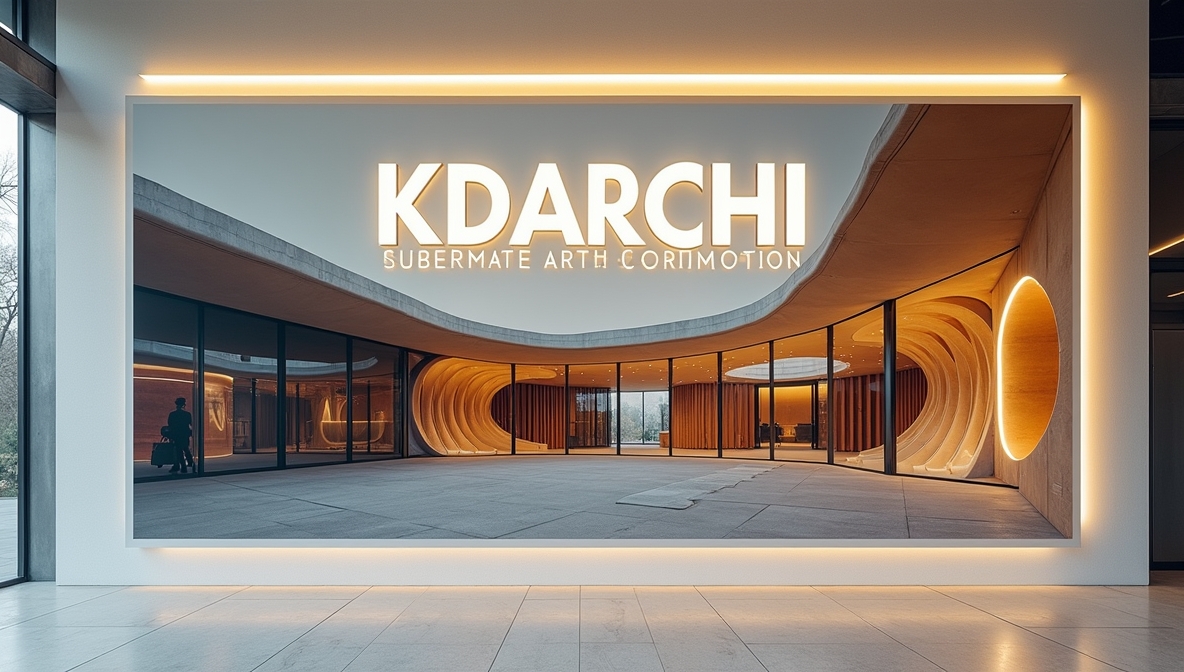
Architecture has always been a reflection of human creativity, culture, and technological progress. From ancient temples and monumental palaces to modern skyscrapers and sustainable housing, architectural design continues to shape how people live, work, and interact with their surroundings. Over time, architectural styles evolve in response to social needs, environmental concerns, and advancements in building technology.
In contemporary discussions, the concept of architecture kdarchistyle often represents a modern perspective on design that combines creativity, practicality, and aesthetic harmony. This approach reflects the growing interest in architectural solutions that balance beauty with functionality while responding to the demands of modern urban environments.
Architecture is more than simply constructing buildings; it is a discipline that integrates art, engineering, and human psychology. Architects must understand how spaces influence emotions, productivity, and social interaction. Well-designed spaces can inspire creativity, encourage collaboration, and improve overall quality of life.
Understanding the foundations of architectural design allows us to appreciate the complexity and significance of the built environment around us.
The Historical Evolution of Architecture
The history of architecture stretches back thousands of years and reveals how civilizations have expressed their cultural identity through buildings and structures. Ancient societies built temples, pyramids, and fortifications that symbolized power, spirituality, and technological achievement.
Greek and Roman architecture introduced principles of symmetry, proportion, and structural innovation. Their influence continues to shape modern architectural theory and practice.
As time progressed, architectural movements such as Gothic, Renaissance, and Baroque styles introduced new forms, decorative elements, and structural techniques. These styles reflected changing artistic values and technological capabilities.
In contemporary discussions about design trends, architecture kdarchistyle may represent a modern interpretation of architectural evolution that combines traditional inspiration with innovative design solutions.
Each era of architecture reflects the cultural values and technological advancements of its time, demonstrating how design adapts to human needs and societal change.
The Relationship Between Architecture and Culture
Architecture is deeply connected to culture. Buildings often reflect the traditions, beliefs, and lifestyles of the communities that create them. Cultural influences shape architectural elements such as materials, decorative patterns, spatial arrangements, and building orientation.
For example, traditional houses in warm climates often feature open courtyards and natural ventilation systems, while buildings in colder regions emphasize insulation and enclosed spaces.
When architects explore concepts like architecture kdarchistyle, they may consider how cultural influences can be integrated into contemporary design while maintaining functionality and modern aesthetics. landscaping ideas kdarchistyle
Public buildings such as museums, libraries, and cultural centers often serve as symbols of community identity. These structures not only provide functional spaces but also communicate cultural values through their design.
By understanding the cultural context of architecture, designers can create spaces that resonate with the people who use them.
Principles of Architectural Design
Architectural design is guided by several key principles that ensure buildings are both visually appealing and structurally sound. These principles help architects create spaces that are functional, comfortable, and aesthetically pleasing.
One of the most important principles is balance. Balanced design ensures that visual elements are distributed evenly, creating harmony within the structure.
Another essential principle is proportion. Proper proportions ensure that the scale of different architectural elements works together cohesively.
Discussions about architecture kdarchistyle often emphasize how modern architects reinterpret these classical principles using innovative materials and design techniques.
Rhythm and repetition also play a role in architectural composition. Repeating patterns, windows, or structural elements can create visual continuity throughout a building.
These principles help architects achieve designs that are both practical and artistically compelling.
The Role of Technology in Architecture
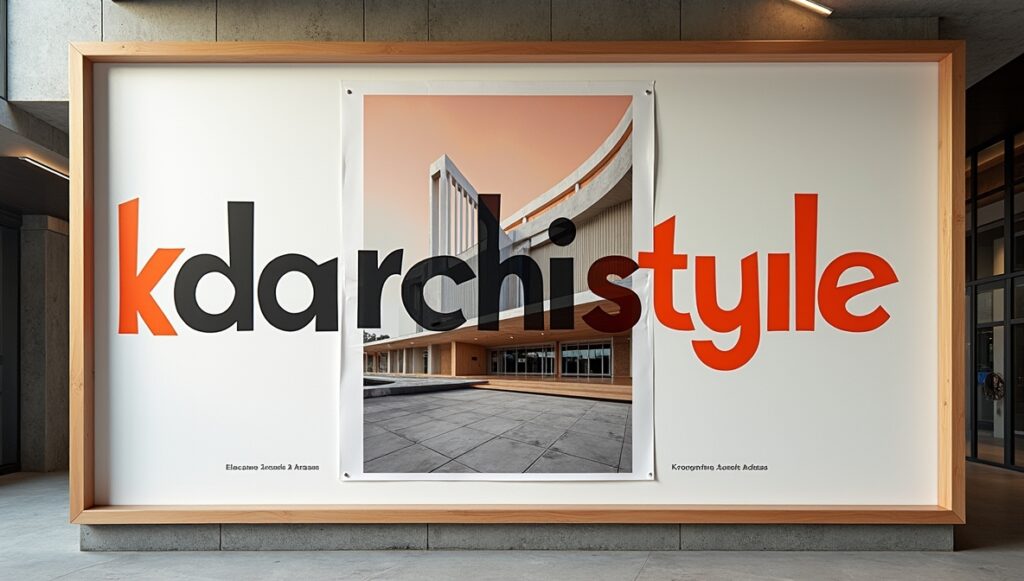
Technology has transformed the field of architecture in remarkable ways. Modern architectural projects rely on advanced tools and techniques that improve precision, efficiency, and creativity.
Computer-aided design software allows architects to create detailed digital models of buildings before construction begins. These models help designers visualize structures and identify potential challenges early in the process.
In conversations about innovative design approaches such as architecture kdarchistyle, technology often plays a central role in enabling complex architectural forms.
3D modeling and virtual reality tools allow architects and clients to explore spaces digitally before they are built. This technology improves communication and collaboration during the design process.
Advanced construction methods also allow architects to experiment with new materials and structural systems that were previously impossible to implement.
Sustainable Architecture and Environmental Responsibility
Sustainability has become one of the most important considerations in modern architecture. As environmental concerns continue to grow, architects are focusing on designs that minimize ecological impact while maximizing efficiency.
Sustainable buildings incorporate energy-efficient systems, renewable materials, and natural ventilation techniques to reduce environmental harm.
Architectural approaches like architecture kdarchistyle may emphasize the integration of sustainable strategies within visually appealing designs.
Green roofs, solar panels, and rainwater harvesting systems are examples of environmentally responsible features that can be incorporated into modern buildings.
Sustainable architecture also focuses on long-term durability and adaptability, ensuring that buildings remain useful and efficient for decades.
By prioritizing sustainability, architects contribute to the creation of healthier and more environmentally responsible communities.
Urban Architecture and City Development
Urban architecture plays a crucial role in shaping cities and communities. The design of residential areas, commercial districts, and public spaces influences how people move through and interact within urban environments.
Modern cities require architectural solutions that address challenges such as population growth, transportation infrastructure, and environmental sustainability.
When discussing urban design concepts like architecture kdarchistyle, architects often focus on creating spaces that encourage social interaction and community engagement.
Public parks, pedestrian-friendly streets, and mixed-use developments are examples of architectural strategies that enhance urban living.
Urban architecture must also consider accessibility and inclusivity to ensure that public spaces are welcoming to all members of society.
Thoughtful urban design improves quality of life by creating environments that are functional, safe, and visually inspiring.
Residential Architecture and Human Comfort
Residential architecture focuses on designing homes that meet the needs of individuals and families. Comfort, functionality, and aesthetic appeal are essential aspects of residential design.
Architects must consider factors such as natural lighting, ventilation, privacy, and spatial organization when designing homes.
In conversations about architecture kdarchistyle, residential design often emphasizes the balance between modern aesthetics and everyday practicality.
Open floor plans, large windows, and flexible living spaces have become popular features in contemporary residential architecture.
Personalization also plays an important role in home design. Many homeowners seek architectural solutions that reflect their lifestyle and preferences.
By combining creativity with practicality, architects create living environments that support comfort and well-being.
Architectural Innovation and Creativity
Creativity is one of the defining characteristics of architecture. Architects continuously explore new ideas, forms, and materials to push the boundaries of design.
Iconic buildings often emerge from bold architectural experimentation that challenges traditional concepts of structure and space.
Innovative approaches such as architecture kdarchistyle may represent efforts to blend artistic expression with functional design.
Architectural innovation can involve experimenting with geometric forms, sustainable materials, or unconventional spatial arrangements.
Creative design not only enhances visual appeal but also improves the usability and efficiency of built environments.
Through innovation, architects contribute to the evolution of architectural practice and inspire future generations of designers.
The Future of Architecture
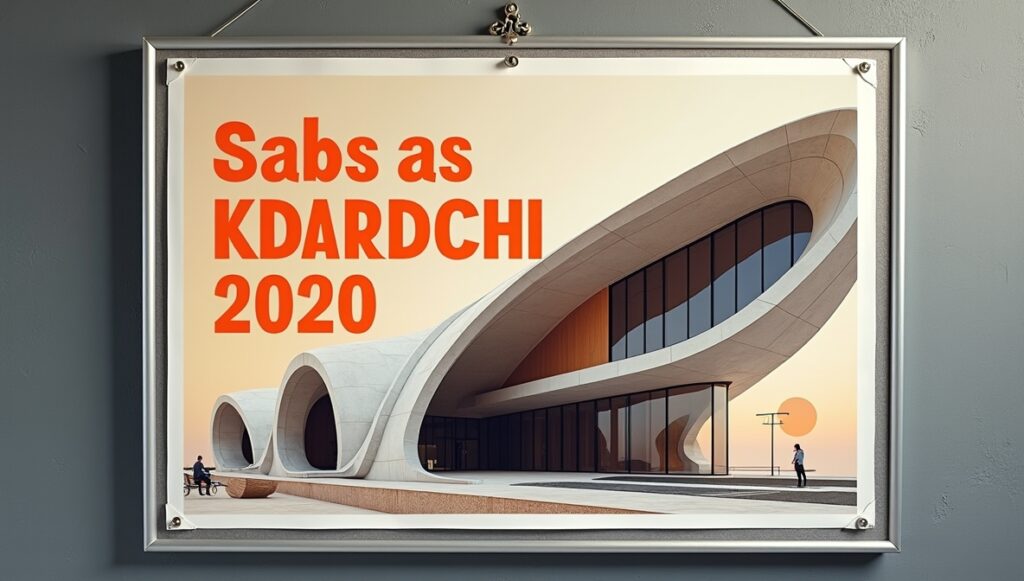
The future of architecture will likely be shaped by technological advancements, environmental challenges, and changing societal needs. Architects will continue to explore new materials, construction methods, and digital design tools.
Smart buildings equipped with automated systems and energy-efficient technologies are becoming increasingly common in modern architecture.
Concepts related to architecture kdarchistyle may reflect emerging trends that combine intelligent design with sustainable practices.
Urban populations are expected to grow significantly in the coming decades, creating demand for innovative housing solutions and efficient city planning.
Architects must also consider climate resilience, ensuring that buildings can withstand environmental challenges such as extreme weather conditions.
By embracing innovation and sustainability, the architectural profession will continue to shape the built environment in meaningful ways.
The Impact of Architecture on Society
Architecture has a profound impact on society. The spaces people inhabit influence their behavior, productivity, and emotional well-being.
Schools, workplaces, hospitals, and public institutions all rely on thoughtful architectural design to support their functions effectively.
In discussions about design philosophies like architecture kdarchistyle, architects often emphasize the importance of creating spaces that enhance human experiences.
Well-designed environments encourage collaboration, creativity, and social interaction. Conversely, poorly designed spaces can lead to discomfort and inefficiency.
Architecture also contributes to cultural identity by preserving historical landmarks and creating new symbols of community pride.
Through careful design, architects have the power to shape environments that positively influence society.
Conclusion
Architecture is a dynamic and multifaceted discipline that combines art, science, and human understanding. From historical landmarks to modern urban developments, architectural design continues to influence how people live and interact with the world around them.
By exploring innovative ideas and embracing new technologies, architects can create buildings that are both visually striking and environmentally responsible.
Concepts such as architecture kdarchistyle highlight the ongoing evolution of architectural thinking, where creativity, sustainability, and functionality intersect.
As cities grow and environmental challenges increase, architecture will play an even more significant role in shaping the future of communities and societies.
Ultimately, architecture is not just about constructing buildings—it is about designing spaces that inspire, support, and improve human life for generations to come.