
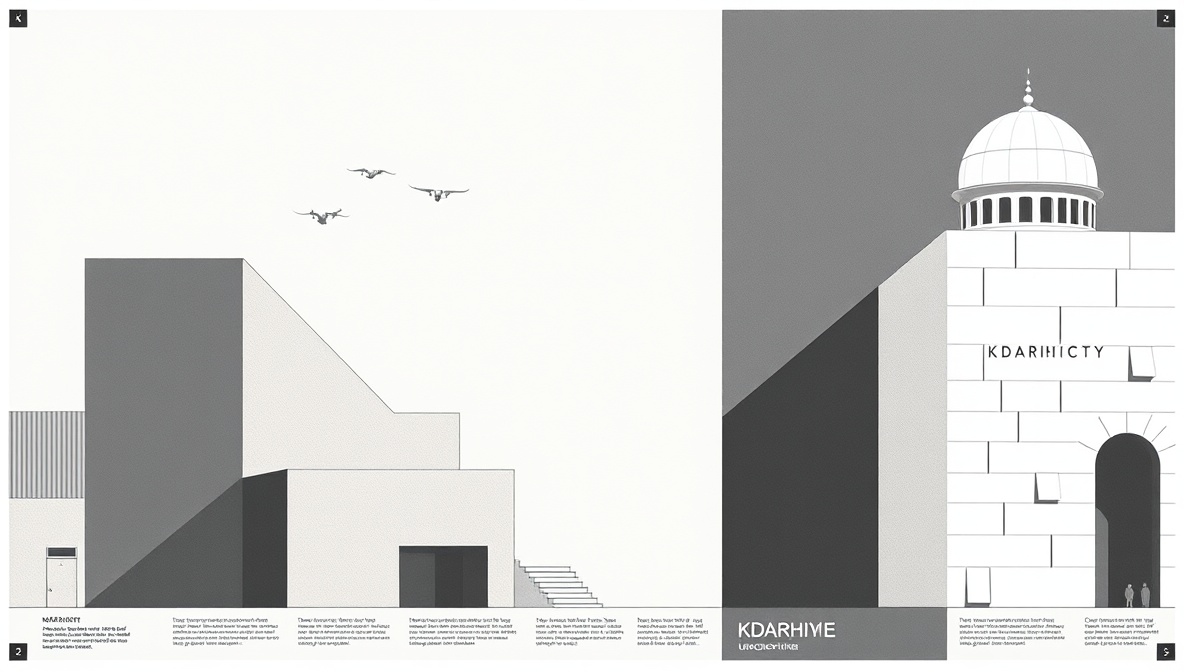
Ancient civilizations established the principles that continue to shape architecture today. Egyptian builders focused on monumentality and spiritual symbolism, while Greek architects emphasized harmony and proportion. Roman engineers introduced arches, domes, and aqueducts that changed urban development forever. These early achievements created a foundation that later generations refined and adapted.
During the medieval period, Gothic architecture emerged with pointed arches, stained glass, and soaring cathedrals. Renaissance designers revived classical ideals and balanced geometry with artistic expression. Baroque architecture later added movement, ornamentation, and theatrical detail. Each period responded to changing cultural priorities and technological abilities.
Industrialization transformed cities rapidly in the nineteenth century. Steel framing and reinforced concrete allowed architects to design taller and stronger buildings. Urban populations increased, leading to the development of apartment blocks, railway stations, and commercial districts. The conversation around kdarchistyle architecture styles by kdarchitects often explores how historical methods continue influencing modern planning and decorative choices.
The Rise of Modern Architecture
The twentieth century introduced a radical shift in design philosophy. Architects rejected excessive decoration and focused on function, simplicity, and efficiency. Modernism promoted clean lines, open spaces, and the belief that design should serve practical needs. Famous movements such as Bauhaus and International Style emphasized minimal ornamentation and industrial materials.
Glass, steel, and concrete became symbols of progress. Large windows allowed more natural light, while open floor plans created flexible interior spaces. Architects sought to design buildings that reflected technological advancement and social change. Residential projects, office towers, museums, and educational institutions all adopted modern principles in different ways.
Minimalism gained popularity because it created calm and organized environments. Simple forms and neutral colors became associated with sophistication and elegance. Many contemporary designers continue using these ideas while adapting them for modern lifestyles. The influence of innovative architectural thinking can be seen in discussions about balancing minimalism with warmth and personality.
Traditional Styles and Their Lasting Appeal
Although modern architecture dominates many urban centers, traditional styles remain highly respected. Colonial homes, Mediterranean villas, Japanese wooden houses, and Islamic courtyards continue inspiring architects worldwide. These styles often prioritize craftsmanship, regional identity, and climate responsiveness.
Traditional architecture usually incorporates locally available materials. Stone, timber, clay, and brick create structures that feel connected to their environment. Decorative carvings, arches, courtyards, and patterned surfaces add cultural richness to these designs. Homeowners often appreciate the comfort and familiarity associated with traditional spaces.
Architects frequently combine historical inspiration with modern technology. Smart lighting systems, advanced insulation, and energy efficient materials can be integrated into classic structures without compromising their original character. Many experts discussing kdarchistyle architecture styles by kdarchitects argue that blending heritage with innovation creates timeless buildings that remain functional for future generations. kdarchistyle building types from kdarchitects
Sustainable Architecture and Environmental Responsibility
Environmental concerns have become central to modern construction. Climate change, urban pollution, and resource depletion encourage architects to rethink traditional building methods. Sustainable architecture focuses on reducing environmental impact while improving energy efficiency and occupant well being.
Green buildings use natural lighting, ventilation, solar panels, and water conservation systems. Architects also prioritize recyclable materials and efficient insulation to minimize energy consumption. Rooftop gardens and vertical greenery contribute to better air quality and urban biodiversity. Sustainable design is no longer considered a niche concept because governments, businesses, and homeowners increasingly demand environmentally responsible solutions.
Passive design strategies are another important aspect of sustainable architecture. Building orientation, window placement, and shading systems help regulate indoor temperatures naturally. These techniques reduce dependence on artificial heating and cooling systems. Conversations about kdarchistyle architecture styles by kdarchitects frequently emphasize how sustainability can enhance beauty instead of limiting creativity.
Urban Development and Smart Cities
Rapid urbanization presents both opportunities and challenges for architects and planners. Cities must accommodate growing populations while maintaining quality of life. Efficient transportation systems, mixed use developments, and public spaces all contribute to successful urban planning.
Smart cities use technology to improve infrastructure and resource management. Sensors, automation, and digital systems help monitor traffic, energy use, and environmental conditions. Architects collaborate with engineers and urban planners to design spaces that support connectivity and convenience. Modern developments increasingly prioritize pedestrian friendly layouts and community interaction.
Public architecture also plays an important role in shaping urban identity. Libraries, museums, parks, and civic centers encourage cultural engagement and social inclusion. Well designed public spaces strengthen community relationships and support economic activity. Analysts examining kdarchistyle architecture styles by kdarchitects often note the importance of creating cities that are both technologically advanced and emotionally welcoming.
Interior Architecture and Human Experience
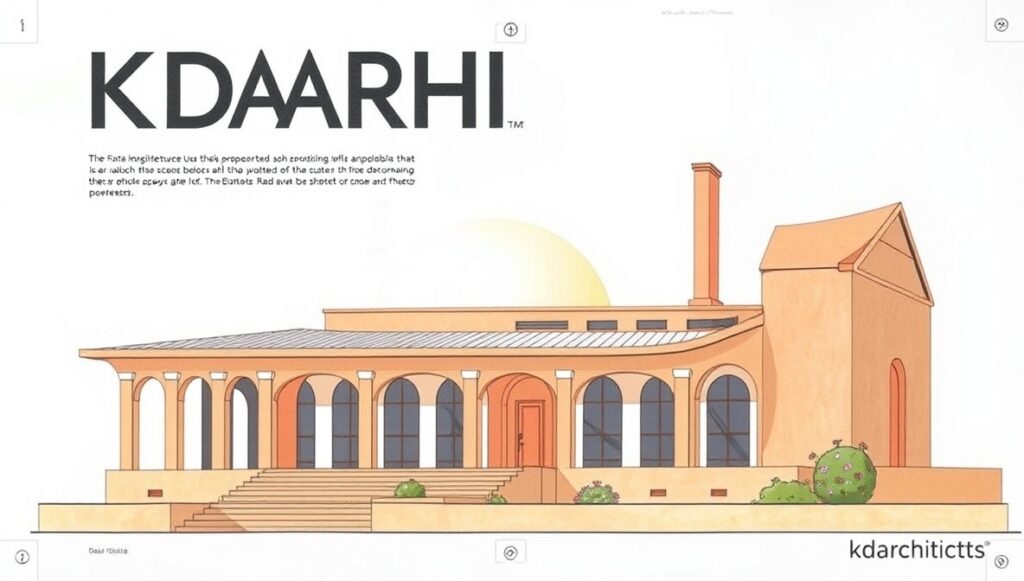
Architecture extends beyond exterior appearance because interior environments strongly influence human behavior and emotions. Interior architecture focuses on space planning, lighting, acoustics, and material selection. A well designed interior can improve productivity, comfort, and mental well being.
Residential interiors often emphasize warmth and personalization. Open kitchens, multifunctional rooms, and natural textures create inviting living spaces. Commercial interiors prioritize efficiency, branding, and employee collaboration. Educational and healthcare facilities require thoughtful layouts that support learning and recovery.
Lighting is one of the most influential aspects of interior design. Natural daylight improves mood and reduces energy use, while artificial lighting shapes atmosphere and functionality. Materials such as wood, stone, glass, and fabric contribute to sensory experiences within a space. Supporters of kdarchistyle architecture styles by kdarchitects frequently discuss how interior design should align with architectural vision to create a unified experience.
Technology and Digital Innovation
Technological advancement has dramatically changed the architectural profession. Computer aided design software allows architects to create highly detailed plans and visualizations. Three dimensional modeling helps clients understand projects before construction begins. Virtual reality experiences enable designers to test spatial arrangements and user interaction.
Building information modeling improves collaboration between architects, engineers, and contractors. Digital systems reduce errors, streamline construction processes, and enhance project management. Prefabrication and modular construction methods also improve efficiency by reducing waste and construction time.
Artificial intelligence is beginning to influence architectural design as well. Algorithms can analyze environmental conditions, energy performance, and user preferences to support decision making. Drones and robotics contribute to site analysis and construction accuracy. The evolving dialogue surrounding kdarchistyle architecture styles by kdarchitects often explores how technology can strengthen creativity rather than replace human imagination.
Cultural Identity in Contemporary Design
Architecture communicates cultural values and collective identity. Religious buildings, government institutions, and historical monuments often symbolize national pride and shared memory. Contemporary architects continue exploring ways to express cultural heritage while embracing global innovation.
Regional influences remain important despite increasing globalization. Climate, geography, craftsmanship, and social traditions all shape architectural choices. In many regions, architects reinterpret traditional motifs through modern forms and materials. This approach creates designs that feel authentic while remaining relevant to contemporary lifestyles.
Cultural sensitivity is especially important in public projects and international developments. Architects must understand local customs, community expectations, and historical context before designing new structures. Advocates of kdarchistyle architecture styles by kdarchitects frequently emphasize the importance of respecting cultural narratives while encouraging progressive design solutions.
Residential Architecture and Changing Lifestyles
Modern lifestyles continue reshaping residential architecture. Flexible spaces, home offices, and outdoor living areas have become increasingly important. Families seek homes that support work, relaxation, entertainment, and privacy within a single environment.
Smaller urban apartments encourage creative storage solutions and multifunctional furniture. Suburban homes often prioritize natural light, energy efficiency, and connection with outdoor landscapes. Luxury residences incorporate wellness features such as fitness rooms, meditation spaces, and spa inspired bathrooms.
Community oriented housing developments are also gaining popularity. Shared gardens, recreational facilities, and collaborative spaces encourage social interaction among residents. Architects must balance privacy with opportunities for community engagement. Discussions related to kdarchistyle architecture styles by kdarchitects commonly highlight how residential design should adapt to changing social habits and technological expectations.
Commercial and Corporate Architecture
Commercial architecture shapes the way businesses interact with employees and customers. Office buildings, retail centers, hotels, and entertainment venues all require strategic planning and brand alignment. Successful commercial spaces combine visual appeal with operational efficiency.
Modern workplaces increasingly prioritize collaboration and employee well being. Open layouts, flexible meeting spaces, and natural elements create healthier working environments. Hybrid work models have also encouraged companies to redesign offices for adaptability and shared experiences rather than fixed seating arrangements.
Retail architecture focuses on customer engagement and memorable experiences. Lighting, circulation, and visual presentation influence consumer behavior significantly. Hotels and hospitality venues prioritize comfort, atmosphere, and cultural storytelling. Many designers underline the value of creating commercial spaces that inspire productivity and emotional connection simultaneously.
The Future of Architectural Design
The future of architecture will likely be shaped by sustainability, technology, and social responsibility. Climate resilient buildings, renewable energy systems, and adaptive infrastructure will become increasingly important. Architects must prepare for environmental challenges such as rising temperatures, natural disasters, and resource scarcity.
Flexible and adaptable spaces will also define future design trends. Buildings may need to change functions over time to accommodate shifting economic and social conditions. Modular construction and smart technology can help create spaces that respond to evolving needs efficiently.
Human centered design will remain essential despite technological progress. People seek environments that provide comfort, inspiration, and emotional connection. Successful architecture balances innovation with empathy and practicality. The continuing interest in kdarchistyle architecture styles by kdarchitects demonstrates how modern audiences appreciate design approaches that integrate creativity, sustainability, and cultural awareness.
Conclusion
Architecture is more than the construction of buildings because it shapes daily experiences, cultural identity, and future development. Historical traditions continue influencing contemporary design, while technological innovation opens new creative possibilities. Sustainable practices, smart cities, and adaptable living spaces reflect the changing priorities of modern society.
Architects today must balance aesthetics, functionality, environmental responsibility, and human comfort. Their work affects communities economically, socially, and emotionally. As cities grow and lifestyles evolve, architecture will remain a powerful force in shaping the world around us.
The ongoing discussion about kdarchistyle architecture styles by kdarchitects highlights the importance of thoughtful and innovative design in the modern era. Whether inspired by tradition or driven by advanced technology, architecture continues to connect people with spaces that support creativity, identity, and progress.
Materials and Construction Techniques
The materials used in architecture influence durability, appearance, maintenance, and environmental impact. Stone and brick have supported construction for centuries because they provide strength and weather resistance. Timber remains popular because it creates warmth and natural character within residential and commercial spaces. Advances in engineering now allow architects to combine traditional materials with innovative systems that improve structural performance and sustainability.
Concrete transformed construction during the modern era because it enabled flexible forms and large scale developments. Reinforced concrete structures support bridges, towers, stadiums, and infrastructure projects around the world. Steel framing also changed the skyline of major cities by allowing taller buildings with open floor plans and expansive glass facades. Architects continue experimenting with lightweight materials and advanced composites that increase efficiency while reducing environmental impact.
Construction methods have evolved alongside materials. Prefabrication allows building components to be manufactured in controlled environments before transportation to construction sites. This approach reduces waste, shortens project timelines, and improves quality control. Modular systems are increasingly used in housing, healthcare facilities, and educational buildings because they offer flexibility and cost effectiveness.
Craftsmanship still plays a valuable role despite technological advancement. Skilled artisans contribute detailed stonework, wood carving, metal fabrication, and decorative finishes that add individuality to architectural projects. Handcrafted elements often create emotional connection and cultural authenticity within modern environments. Architects who respect craftsmanship can produce buildings that feel timeless rather than temporary.
Safety standards and structural resilience remain central to construction planning. Engineers and architects collaborate to ensure that buildings withstand earthquakes, storms, floods, and other environmental pressures. Fire resistant materials, emergency exits, and accessible layouts improve occupant protection and public safety. Strong construction practices are essential for long term performance and community trust.
Landscape Integration and Outdoor Spaces
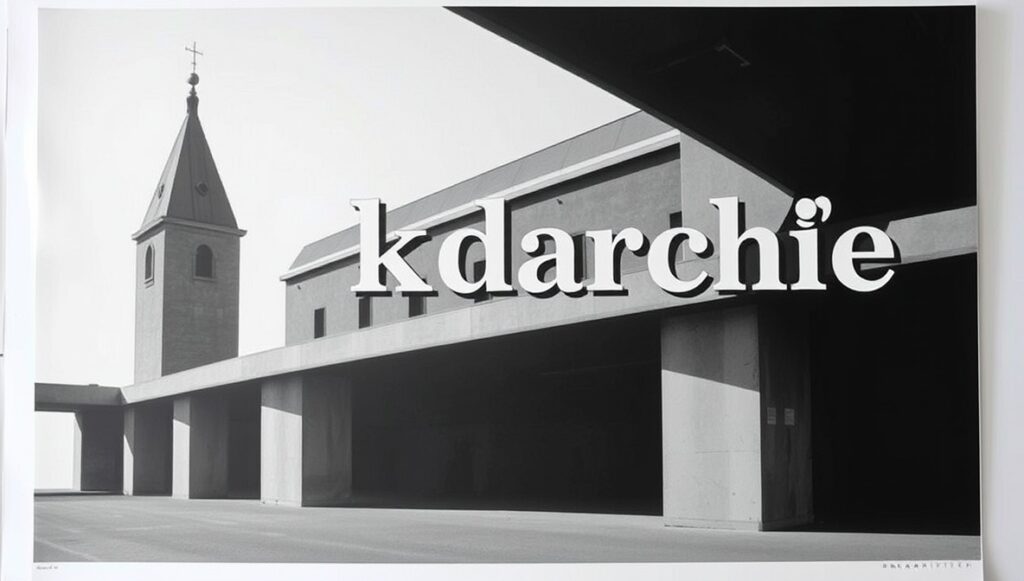
Architecture does not exist independently from its surroundings. Landscapes, gardens, and outdoor environments contribute significantly to the experience of a building. Architects increasingly design projects that integrate natural features into everyday life. Courtyards, terraces, rooftop gardens, and shaded walkways create opportunities for relaxation and social interaction.
Outdoor spaces also improve environmental performance. Trees and vegetation reduce heat, filter air pollution, and support biodiversity in urban areas. Water features and green surfaces help regulate temperature while enhancing visual appeal. Many modern developments include pedestrian friendly pathways and public gathering areas that encourage healthier lifestyles and stronger communities.
Biophilic design has become an influential concept in contemporary architecture. This approach emphasizes human connection with nature through natural light, organic materials, and visual access to greenery. Research suggests that exposure to nature can reduce stress, improve concentration, and support emotional well being. Architects use these principles to create environments that feel restorative and balanced.
Public parks and recreational areas are especially important in densely populated cities. Accessible green spaces encourage physical activity and social engagement among residents. Urban planners often collaborate with landscape architects to ensure that development projects preserve ecological value while meeting community needs. Thoughtful outdoor design contributes to healthier and more attractive cities for future generations.
Climate conditions strongly influence landscape planning. In warmer regions, shaded courtyards and water elements help cool outdoor spaces naturally. In colder climates, wind protection and seasonal planting strategies improve comfort throughout the year. Successful architecture respects environmental context rather than imposing uniform solutions across different regions.
Education and the Role of Future Architects
Architectural education combines creativity, technical knowledge, and social awareness. Students learn drawing, structural systems, environmental science, digital modeling, and construction management throughout their training. Design studios encourage experimentation and problem solving while exposing students to real world challenges. The profession demands continuous learning because technology, regulations, and cultural expectations evolve constantly.
Mentorship remains important within architecture because experienced professionals guide younger designers through practical responsibilities and ethical decision making. Internships provide exposure to project coordination, client communication, and construction processes. Young architects gradually develop their own design philosophies while learning how to balance artistic ambition with budget and safety requirements.
Research institutions and universities also contribute to architectural innovation. Academic studies explore sustainable materials, affordable housing strategies, disaster resilient structures, and smart city technologies. Experimental projects often inspire solutions that later influence mainstream construction practices. Collaboration between architects, engineers, sociologists, and environmental scientists encourages broader understanding of how built environments affect society.
Ethics play a major role in professional practice. Architects influence the quality of life experienced by communities, employees, students, patients, and families. Responsible professionals consider accessibility, environmental impact, cultural sensitivity, and social equity when developing projects. Inclusive design ensures that spaces remain usable for individuals with different physical abilities and personal needs.
Affordable housing has become a major concern in many urban regions. Rising land prices and population growth create pressure on governments and developers to provide practical living solutions. Architects contribute by designing compact, efficient, and community focused housing models that maintain dignity and comfort. Creative planning can improve affordability without sacrificing functionality or aesthetic value.
Public participation is increasingly common during the design process. Community meetings, workshops, and surveys allow residents to express concerns and expectations before construction begins. Architects who listen carefully to public feedback often create projects that achieve stronger local support and long term success. Collaboration between professionals and communities can lead to more meaningful and sustainable development outcomes.
Architecture will continue changing as societies face new environmental, technological, and economic conditions. Future architects must remain adaptable, curious, and socially responsible in order to address complex global challenges. Their ability to combine innovation with empathy will determine how successfully cities and communities evolve in the coming decades.
Preservation and Adaptive Reuse
Historic preservation protects architectural heritage while allowing older structures to remain useful in contemporary society. Adaptive reuse transforms factories, warehouses, theaters, and historic homes into modern offices, hotels, galleries, and residential spaces. This approach reduces demolition waste and preserves cultural memory within rapidly changing cities.
Preserved buildings often attract tourism and strengthen community identity. Residents feel connected to spaces that reflect local history and craftsmanship. Restoration projects require careful research because architects must respect original features while upgrading safety systems and functionality. Balancing authenticity with modernization can be challenging, yet successful projects demonstrate how heritage and innovation can coexist effectively.