
Landscaping is more than just planting flowers or mowing the lawn; it is the art and science of designing outdoor spaces to enhance aesthetics, functionality, and environmental harmony. Whether you have a small backyard, a sprawling garden, or a commercial property, effective landscaping can elevate the appearance of your space, improve usability, and increase property value.
Many homeowners and design enthusiasts often ask landscaping ideas kdarchistyle when looking to transform their outdoor areas into visually appealing and practical environments. The process involves careful planning, attention to detail, and a balance between creativity and practicality.
Assessing Your Outdoor Space
Before implementing any landscaping ideas, it’s crucial to assess your existing space. Factors such as soil type, sunlight exposure, climate, and topography influence which plants and design elements will thrive.
Many individuals inquire landscaping ideas kdarchistyle to understand how to align design plans with the natural characteristics of their property. Conducting a site analysis helps identify problem areas, optimize drainage, and maximize available sunlight.
This preliminary assessment ensures that the chosen landscaping strategies are both practical and sustainable, reducing the risk of plant failure and design conflicts.
Planning a Landscaping Layout
A well-thought-out layout serves as the backbone of any landscaping project. Effective layouts consider traffic flow, focal points, and functional zones such as patios, play areas, vegetable gardens, and flower beds.
In exploring landscaping idea kdarchistyle, designers often emphasize creating balance and harmony by arranging plants and structures proportionally. Symmetry, asymmetry, and the use of natural lines can guide the viewer’s eye and enhance visual appeal.
Additionally, layouts should accommodate future growth and seasonal changes. Planning for plant maturation prevents overcrowding and maintains long-term aesthetic appeal.
Choosing Plants for Your Garden
Selecting the right plants is essential to a successful landscape. Plant choices depend on local climate, soil conditions, sunlight, and personal design preferences.
When considering landscaping ideas kdarchistyle, homeowners often focus on combining evergreen plants with seasonal blooms to ensure year-round interest. Using native species not only reduces maintenance but also supports local ecosystems.
Plant selection should also consider growth patterns, mature sizes, and spacing requirements. Grouping plants with similar water and sunlight needs simplifies maintenance and enhances overall plant health.
Incorporating Hardscape Elements
Hardscaping includes non-living elements such as pathways, patios, walls, fences, pergolas, and water features. These structures provide structure, functionality, and aesthetic contrast to plantings.
Garden enthusiasts exploring landscaping idea kdarchistyle often integrate hardscape elements to create focal points and guide movement through the landscape. Stone or brick pathways, for instance, add texture while improving accessibility.
Patios and seating areas create functional zones for relaxation and social gatherings, while retaining walls or raised beds can solve elevation challenges and improve soil drainage. kdarchistyle
Creating Outdoor Living Spaces
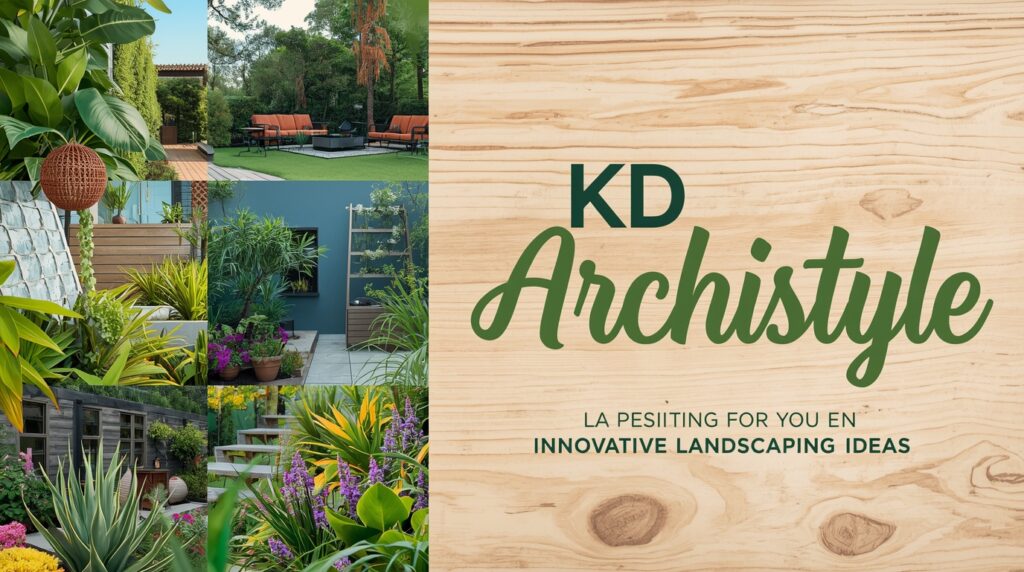
Modern landscaping often emphasizes outdoor living areas that extend the comfort of indoor spaces. These areas can include patios, outdoor kitchens, fire pits, and seating zones.
Designers often discuss landscaping ideas kdarchistyle in the context of maximizing usable outdoor space while maintaining beauty and cohesion with the surrounding landscape.
Lighting, furniture, and shade structures such as pergolas or umbrellas are key to creating inviting outdoor living areas. Integrating these features with plantings ensures a seamless blend of nature and functionality.
Water Features and Focal Points
Water features such as ponds, fountains, and waterfalls add serenity and visual interest to landscapes. They can also attract wildlife, improve microclimates, and enhance property value.
Many design enthusiasts search for landscaping ideas kdarchistyle to find innovative ways to incorporate water elements without overwhelming the space. Proper placement and scale are crucial; a small backyard may benefit from a tabletop fountain, while a larger garden can support a pond or waterfall.
Water features paired with lighting or strategic plantings can serve as focal points that draw attention and provide a sense of tranquility.
Seasonal Color and Plant Rotation
Maintaining year-round interest in a landscape involves careful consideration of seasonal blooms and foliage changes. Planting a mix of perennials, annuals, and shrubs with varying bloom times ensures continuous visual appeal.
Exploring landscaping idea kdarchistyle often includes planning for seasonal color changes, such as spring tulips, summer hydrangeas, fall maples, and winter evergreens.
Strategic use of color, texture, and plant height creates depth and variety, preventing the garden from appearing static or monotonous throughout the year.
Sustainable Landscaping Practices
Sustainability has become a cornerstone of modern landscaping. Sustainable practices conserve resources, protect the environment, and reduce long-term maintenance costs.
Many homeowners seeking landscaping ideas kdarchistyle consider methods such as xeriscaping, rainwater harvesting, composting, and planting native or drought-resistant species.
Sustainable landscaping also emphasizes soil health through mulching, organic fertilization, and erosion control. These techniques support plant vitality while minimizing environmental impact.
Garden Pathways and Connectivity
Paths guide movement through a garden and connect different functional zones. They can be made of gravel, stone, wood, or concrete and should complement the overall design.
In the search for landscaping ideas kdarchistyle, designers highlight the importance of pathways for both functionality and aesthetics. Curved paths create a sense of discovery, while straight paths emphasize formal symmetry.
Properly integrated pathways prevent soil compaction, reduce maintenance, and enhance accessibility for all users.
Lighting for Safety and Ambiance
Lighting plays a dual role in landscaping: safety and ambiance. Illuminating pathways, patios, and focal points improves navigation while highlighting key design features.
Many landscape enthusiasts researching landscaping idea kdarchistyle incorporate a mix of ambient, task, and accent lighting to enhance the visual appeal and usability of outdoor spaces after dark.
Solar lights, LED fixtures, and low-voltage systems are popular choices due to energy efficiency and ease of installation. Strategic lighting ensures that the garden remains functional and inviting at night.
Privacy and Screening Solutions
Privacy is an essential consideration, especially for urban or suburban properties. Landscaping can create natural screens using trees, shrubs, hedges, or decorative fences.
People often ask landscaping ideas kdarchistyle to explore creative ways of establishing privacy without compromising aesthetics. Fast-growing trees or dense shrubs can serve as living walls, while lattice panels with climbing plants offer visual interest.
In addition to privacy, these elements can reduce noise pollution, create windbreaks, and define outdoor zones for specific uses.
Edible Landscaping
Edible landscaping combines beauty and functionality by integrating fruits, vegetables, herbs, and edible flowers into ornamental gardens.
Gardeners exploring landscaping ideas kdarchistyle often seek ways to create productive gardens that also enhance visual appeal. Raised beds, container gardens, and vertical planting systems are ideal for small spaces.
This approach promotes sustainability, encourages healthy eating, and provides a rewarding experience for families and home cooks.
Integrating Wildlife-Friendly Features
Landscaping can support local biodiversity by providing habitats for birds, butterflies, bees, and other beneficial wildlife.
Questions about landscaping ideas kdarchistyle frequently focus on how to attract pollinators and other helpful creatures while maintaining a balanced ecosystem. Native plantings, birdbaths, nesting boxes, and pollinator gardens all contribute to a healthy, thriving garden environment.
Integrating wildlife-friendly features enriches the garden experience and promotes ecological sustainability.
Seasonal Maintenance and Upkeep
Effective landscaping requires ongoing maintenance to ensure plant health, prevent overgrowth, and maintain aesthetic appeal. Seasonal tasks include pruning, fertilization, soil amendment, mulching, and pest management.
Many people seeking landscaping idea kdarchistyle emphasize maintenance plans as part of overall landscape design. Regular upkeep preserves the beauty and functionality of outdoor spaces while minimizing long-term costs.
Planning maintenance schedules around plant growth cycles and weather patterns ensures that the garden remains vibrant and resilient throughout the year.
Choosing the Right Tools and Equipment
Proper tools and equipment make landscaping projects more efficient and effective. Essential tools include pruners, spades, trowels, rakes, wheelbarrows, and hoses.
Gardeners researching landscaping ideas kdarchistyle also consider machinery for larger projects, such as lawn mowers, tillers, and trimmers. Investing in quality tools not only makes tasks easier but also improves results and reduces physical strain.
Organizing and maintaining tools contributes to a streamlined workflow and safer gardening experience.
Landscape Design Trends
Landscaping trends evolve over time, influenced by climate, technology, and aesthetic preferences. Popular trends include minimalist gardens, drought-tolerant plantings, naturalistic landscapes, and outdoor living spaces.
Many homeowners explore landscaping ideas kdarchistyle to stay inspired and incorporate contemporary elements into their gardens. Combining current trends with timeless design principles ensures a balance between innovation and lasting appeal.
Flexibility in design allows for future modifications and adaptability to changing needs or preferences.
Budgeting for Landscaping Projects
Landscaping costs vary widely depending on project scope, materials, plant selection, and labor. Budgeting carefully ensures that projects remain feasible while achieving design goals.
Individuals often ask landscaping idea kdarchistyle to discover cost-effective solutions, including DIY approaches, phased implementation, and prioritization of high-impact areas.
By allocating funds wisely and considering long-term maintenance costs, homeowners can create beautiful landscapes without financial strain.
Integrating Art and Decorative Elements
Artistic elements, such as sculptures, garden ornaments, and decorative planters, add personality and charm to outdoor spaces.
Designers exploring landscaping ideas kdarchistyle often recommend incorporating art to reflect personal style while complementing the natural environment. Focal points created with statues, water features, or unique structures can elevate the overall design.
Balance is key: decorative elements should enhance the landscape without overwhelming plantings or functional areas.
Sustainable Water Management
Efficient water management is crucial for healthy landscapes. Techniques include drip irrigation, rainwater harvesting, and mulching to retain soil moisture.
Many gardeners ask landscaping ideas kdarchistyle when seeking ways to reduce water consumption while maintaining lush gardens. Proper irrigation planning prevents overwatering, reduces utility costs, and supports plant health.
Integrating native or drought-tolerant species further reduces water needs, making the garden more resilient to changing weather conditions.
Conclusion
Landscaping is a multifaceted process that combines creativity, practicality, and sustainability. By exploring landscaping ideas kdarchistyle, homeowners and design enthusiasts can create outdoor spaces that are visually appealing, functional, and environmentally responsible.
From plant selection and hardscape integration to seasonal maintenance and sustainable practices, successful landscaping requires careful planning and ongoing attention. Understanding the unique characteristics of your property, incorporating innovative design elements, and maintaining flexibility ensures a landscape that remains vibrant and enjoyable year-round.
Whether you aim to enhance curb appeal, create productive gardens, or design tranquil outdoor retreats, these landscaping strategies provide the guidance needed to achieve lasting beauty and functionality.
FAQs
1. What are some popular landscaping styles?
Popular styles include minimalist gardens, native plant landscapes, cottage gardens, modern hardscape designs, and wildlife-friendly ecosystems.
2. How do I choose plants for my landscape?
Consider climate, soil, sunlight exposure, water needs, and aesthetic goals. Native species are low-maintenance and support local biodiversity.
3. Can landscaping increase property value?
Yes, well-designed and maintained landscapes enhance curb appeal, functionality, and environmental efficiency, boosting property value.
4. What is the role of hardscaping in landscaping?
Hardscaping adds structure, accessibility, and focal points through elements such as paths, patios, walls, and water features.
5. How can I make my garden sustainable?
Use native or drought-tolerant plants, efficient irrigation, composting, mulching, and wildlife-friendly features to reduce environmental impact